
 EN
 ES
 PT
 RU
 AR
 KO
 MY
 FIL
 BE

Maintaining Your Cold Chain: Essential AC Components for Refrigerated Trucks
Why cold-chain maintenance is a reliability problem, not a comfort one
A refrigerated truck is a moving cold store. The moment the air-conditioning and refrigeration loop drifts above setpoint, the loss is not a passenger complaint — it is a rejected food load, a failed pharmaceutical audit, spoiled stock, and a contract penalty. For fleets running pharmaceuticals, fresh produce, dairy, or meat, an unmaintained AC and refrigeration loop is a direct financial and compliance risk. That is why "maintaining your cold chain" really means maintaining a short list of essential components on a schedule, not waiting for a roadside breakdown. This guide walks workshop supervisors, cold-chain logistics buyers, and fleet maintenance leads through the components that hold the chain together and the checks that keep them working.
The components that hold the cold chain together
A transport refrigeration unit is a self-contained vapor-compression loop. Its job is to pull heat out of the cargo box and reject it to ambient air. Five component groups do the work, and each one is a maintenance checkpoint:
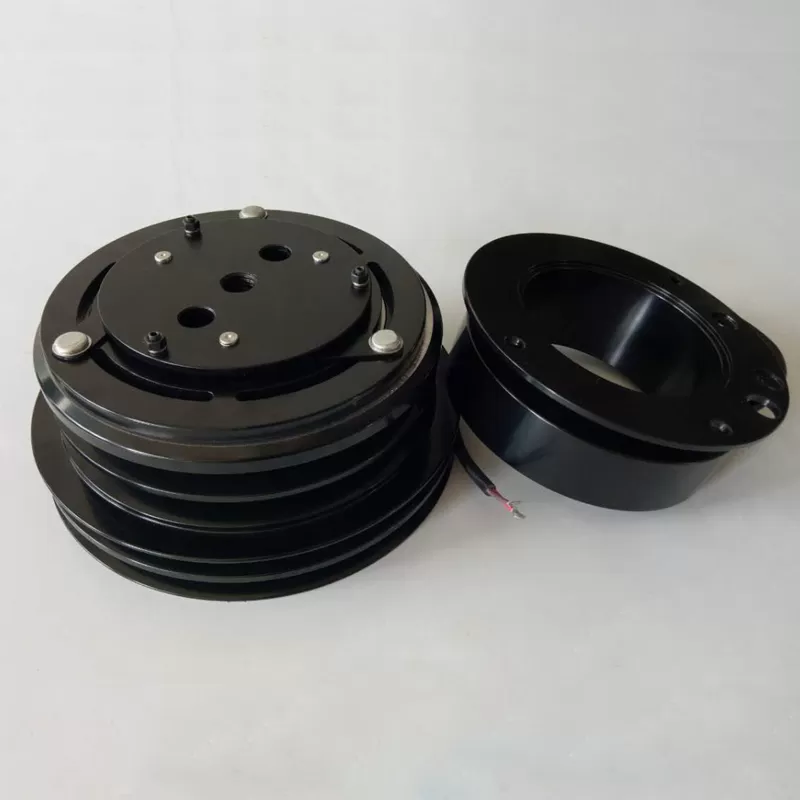
- Compressor and electromagnetic clutch — the compressor is the heart; the clutch engages it from the engine or electric drive. A slipping or seized clutch is the single most common silent failure on belt-driven units.
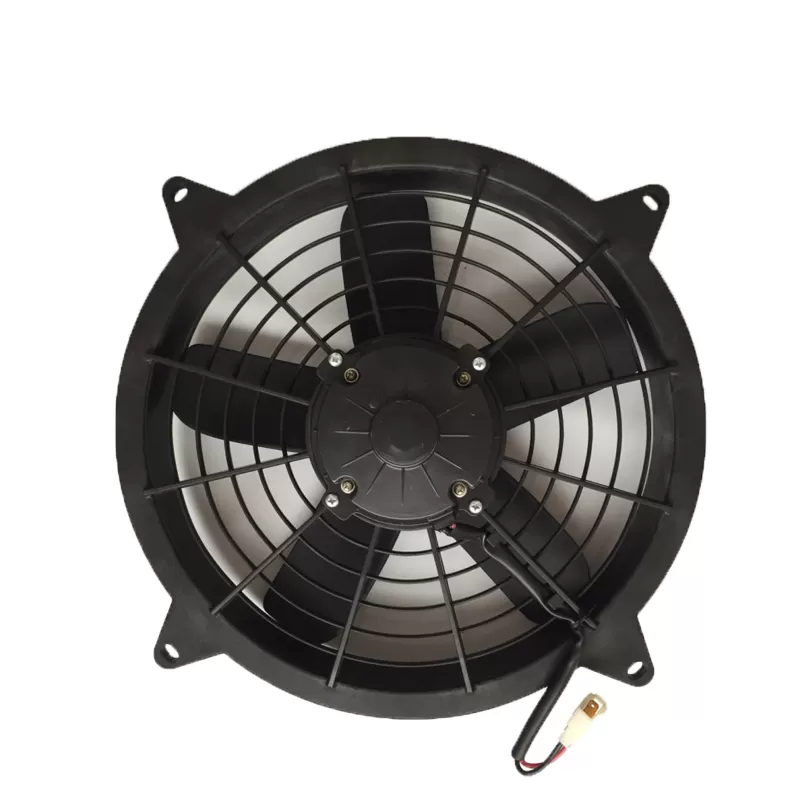
- Condenser and condenser fan — the fan forces ambient air through the condenser so the refrigerant can reject heat. At idle and low road speed, the fan is doing most of the work.
- Evaporator and evaporator blower — the blower circulates box air across the cold evaporator coil. If it slows, the box warms unevenly and the compressor runs longer.
- Refrigerant circuit and controls — expansion device, lines, seals, and the thermostat or controller that commands the clutch and fans.
- Electrical and charging system — 24V supply, harness, relays, and the voltage sag that happens at engine idle.
Maintenance by component: what to check, how often, and what it tells you
A good reefer maintenance plan turns each component into a routine check rather than a guess. The table below is a starting point; confirm intervals against the unit's service manual and your operating duty.
| Component | Check | Frequency | Early warning sign |
|---|---|---|---|
| Compressor clutch & belt | Pulley free spin, belt tension, coil resistance, groove wear | Pre-trip + monthly | Clutch chatter, belt squeal, compressor not engaging |
| Condenser fan | Blade condition, current draw, free airflow, mounting | Pre-trip + monthly | High-side pressure rising, warm box at idle |
| Evaporator blower | Airflow at vents, motor current, coil frost pattern | Weekly | Uneven box temperature, longer run times |
| Refrigerant circuit | Pressures, sight glass, leak check, seal condition | Seasonal + after any service | Short cycling, oil traces, low charge |
| Electrical / 24V supply | Voltage at idle, relay clicks, harness and grounds | Monthly | Fan or clutch dropout when engine idles |
Pre-trip, weekly, and seasonal routines
Split the work so nothing is skipped. A pre-trip check protects today's load; a seasonal check protects the unit's life.
- Pre-trip (every dispatch): confirm the box pulls down to setpoint before loading, listen for clutch engagement, verify both fans spin, and check for frost or oil at fittings.
- Weekly: record box pull-down time, inspect evaporator and condenser coils for dust and debris, and confirm blower airflow at the supply vents.
- Seasonal: pressure-test the refrigerant circuit, verify belt and clutch condition, clean coils thoroughly, and review voltage behavior under idle and load.
Clutch and belt care: the most overlooked checkpoint
On belt-driven transport refrigeration units the electromagnetic clutch is where durability is won or lost. Dust, heat, and repeated engagement wear the pulley bearing and the friction surface. Record the installed compressor platform for every trailer, and match any replacement clutch to it — pulley diameter, groove type, and coil voltage are the dimensions that decide whether a clutch fits and survives. Verified Weili clutch fitments in the field include Thermo King X426/X430 (24V, φ210 mm, 2-groove B), Valeo TM65 (24V, 60W, φ260/φ210 mm, 2A–2B), Hispacold (24V, φ210 mm, 2-groove B), and Bitzer/Bock units used on Yutong-type applications (24V). Confirm the exact pulley and groove against the unit you are servicing before ordering.
Keeping the fans working: condenser fan and blower
The condenser fan protects high-side performance exactly when a reefer is most at risk — idling at a loading dock with no road airflow. The evaporator blower protects box uniformity. Both are motor-driven, and motor type changes the maintenance story. As our guide on brushed and brushless fans explains, brushed motors wear at the commutator and need brush service; brushless motors have no mechanical wear point and suit high-duty, stop-start routes. For transport refrigeration, Weili's verified fan family covers the duty: the LNF2924H5X transport-refrigeration fan is rated around 1800 m³/h at 100 Pa (27V/13.5V test, ≤6.0A/10.0A, ~2700 rpm), the LNF2211BX around 1400 m³/h at 100 Pa (27V/13.5V, ≤6.5A/10.5A, 2800 rpm), and the LNF2208BX 8-inch pulled fan around 1000 m³/h at 100 Pa (27V/13.5V, ≤4.0A/7.0A, 3100 rpm). The practical rule: measure airflow at the installed static pressure, not free air, and treat a drop in airflow as a pending failure rather than a nuisance.
Refrigerant, controls, and the 24V supply
Refrigerant leaks are gradual and easy to ignore until the box fails on a hot afternoon. A seasonal pressure and leak check catches loss early. Controls matter because a misreading thermostat or a sticky expansion device makes a healthy compressor run the wrong duty cycle. And because most reefer units are 24V, voltage sag at engine idle can make a clutch or fan drop out intermittently — a fault that looks random until you measure supply under load. Confirm the charging and harness capacity before blaming the component.
Turn maintenance into a program, not a panic
The cheapest cold-chain failure is the one you prevent. Keep a per-trailer record of compressor platform, clutch dimensions, fan model, and last service date; standardize on a short list of verified spares; and train drivers to report pull-down time and unusual noise on pre-trip. When a unit does fail, you then replace a known part instead of diagnosing cold. For compressor-side failure patterns, see our note on common commercial-vehicle AC compressor failures, and for the role of the high-side fan specifically, our piece on the role of condenser fans.
FAQs
How often should I service a refrigerated truck's AC and refrigeration loop?
Run a pre-trip check on every dispatch, a weekly coil and airflow check, and a seasonal pressure, leak, belt, and clutch service. Adjust intervals for ambient heat, duty cycle, and route stop-start frequency.
Which component fails first in cold-chain service?
On belt-driven units the electromagnetic clutch and belt are common early failures, followed by the condenser fan motor under idle heat. Both are cheaper to maintain than to replace after a load is lost.
Do I need brushless fans for transport refrigeration?
Not always. Brushless fans suit high-duty, long-idle, stop-start routes because they have no brush wear point. For lighter duty, a quality brushed unit sized to the airflow point is still sound. Confirm the motor type against your route profile.
Can I use the same clutch across different compressor brands?
No. Pulley diameter, groove type, and coil voltage differ by platform — Thermo King, Valeo, Hispacold, and Bitzer/Bock each have distinct fitments. Match the clutch to the installed compressor and verify dimensions with the supplier before ordering.
Are the listed fan performance figures guaranteed for my unit?
The airflow, voltage, current, and speed figures above come from Weili product-page specifications for the named models. Confirm the exact rating, current certification scope (for example TS16949/ISO9001 references on the site), and written warranty terms with the supplier for your application, and verify fitment to the installed unit.